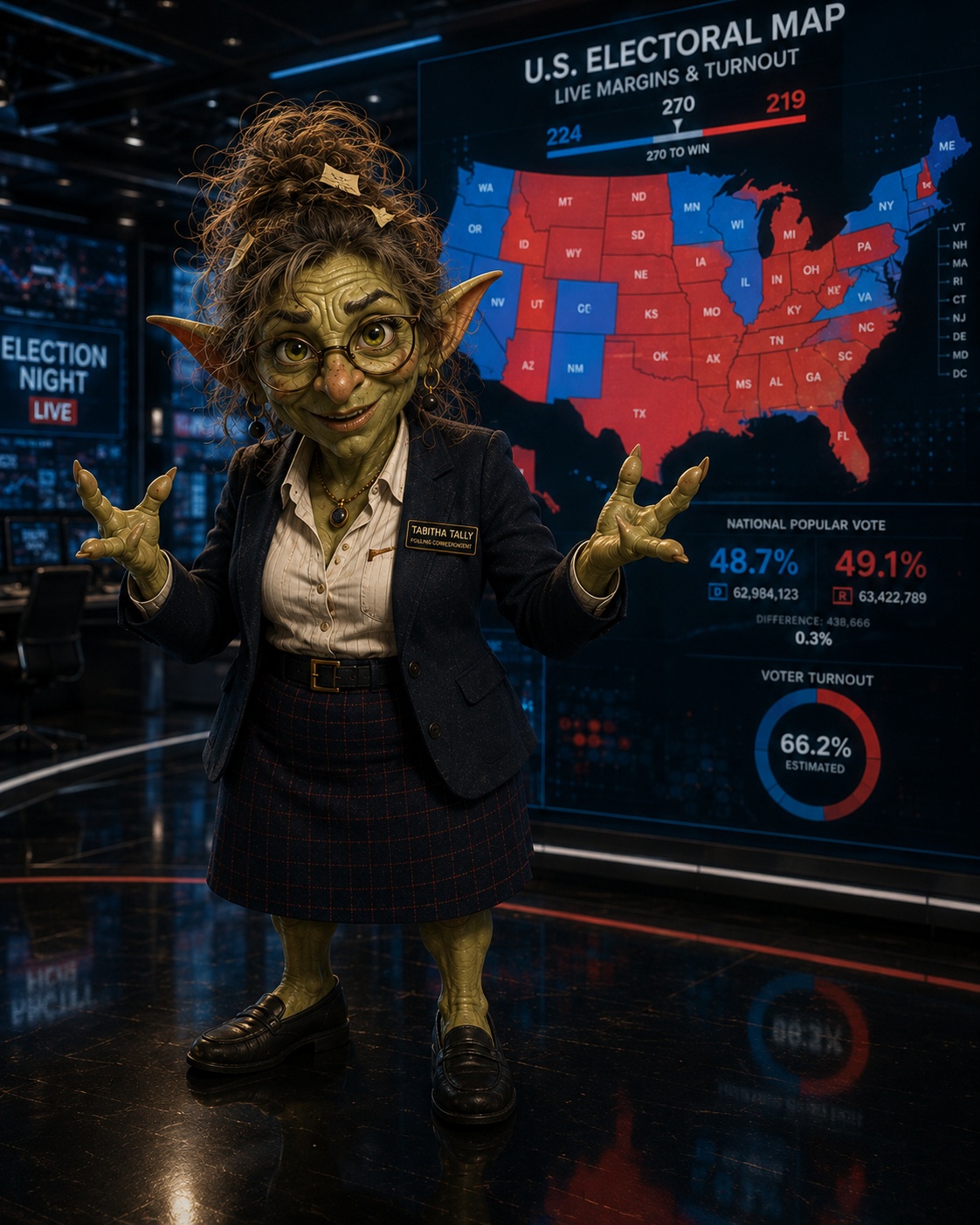

The Iran war is unpopular with many voters, and that dissatisfaction is becoming part of the 2026 midterm environment. The Associated Press reported broad public disapproval of the conflict and continuing uncertainty about the administration’s strategy. But a national mood is not the same thing as a forecast for individual races.
Midterm outcomes depend on several layers of behavior: whether voters turn out, which issue they rank first, how candidates frame responsibility, and whether campaigns can convert national concern into local choices. A voter may oppose the war and still support an incumbent, stay home, or prioritize prices, immigration, or health care.
Money adds another layer. Reuters reported that MAGA Inc. had built a campaign stockpile of more than $400 million by the end of June. Spending can shape what voters see, but it does not guarantee persuasion. The message, timing, opposition, and local context still matter.
Polls can measure opinion and expectations, but they do not eliminate uncertainty. A survey conducted before a battlefield change, diplomatic contact, or price shock may age quickly. Analysts should distinguish a stable preference from a momentary reaction and should avoid converting a national percentage into a district-level prediction.
Tabitha Tally’s rule: broad opposition is a signal, not a seat count. The useful question is how the war interacts with turnout, campaign spending, candidate credibility, and local conditions. Until those pieces align, anyone promising a precise midterm map is selling confidence the data does not yet contain.
The same caution applies to campaign narratives. A party may cite a national number as proof of momentum, while its opponent cites the same number as evidence of backlash. Both can be technically accurate and politically incomplete. The better analysis asks who was surveyed, when, how many respondents participated, what the question wording was, and whether the result persists across polls. Numbers become useful only after their limits are visible.
National opinion can identify a broad mood without mapping neatly onto individual districts. Voters may distinguish between disapproval of a war, views of the president, local economic concerns, and the candidates on their ballots. Turnout, incumbency, campaign spending, and later events can all change the relationship between a national poll and a midterm result.
Tabitha Tally treats the poll as a signal to monitor rather than a prediction engine. The source supports the reported opposition and expectations about the conflict’s duration, but it does not establish which party will gain seats or which races will move. That restraint is useful: it keeps the data visible while separating what respondents said from what campaigns may eventually do.
Do you have Questions or comments about this article? Email me at: tabithatally@frontpagecrew.com