Capitol & Congress
The Senate’s Jay Clayton Vote Is Also a Test of Intelligence Oversight.
Senators are beginning votes on Trump’s nominee for intelligence director after a partisan committee approval and contentious questions about independence and press subpoenas.
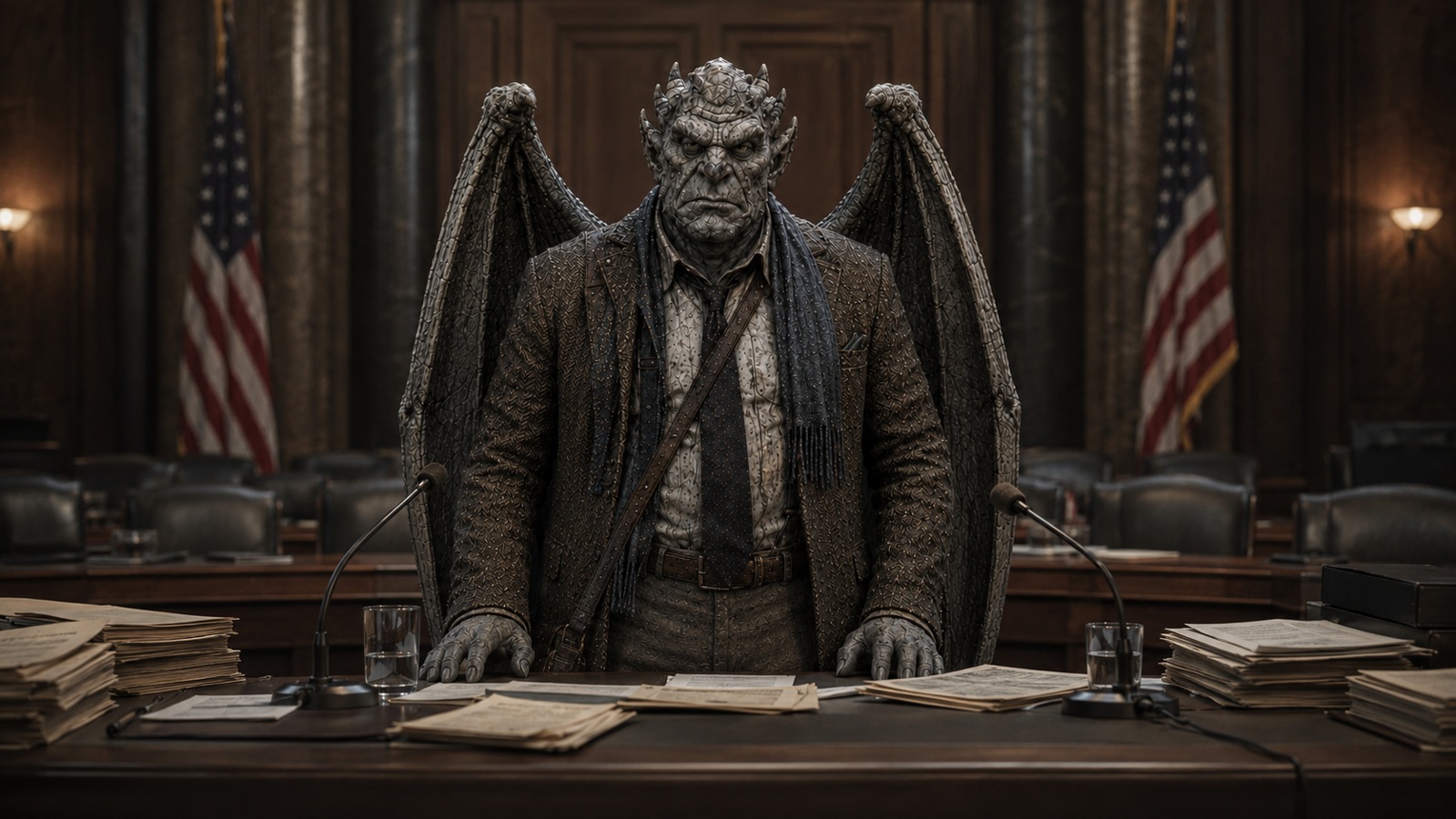
The Senate is beginning the process of voting on Jay Clayton, President Trump’s nominee to lead the intelligence community. The nomination is moving through a Republican-majority chamber, but the hearing exposed questions that will remain after the roll call: independence, truthfulness, and the relationship between intelligence power and press freedom.
Reuters reported that Clayton’s nomination advanced from the Senate Intelligence Committee by a narrow party-line vote of nine to eight. He was questioned about his refusal to affirm that Trump lost the 2020 election and about subpoenas issued to New York Times journalists over reporting on presidential security.
A confirmation vote is not merely a personnel decision. The Director of National Intelligence coordinates the country’s intelligence agencies and briefs Congress on threats. That position requires trust from the president, but it also requires candor with lawmakers and a willingness to protect institutional processes from political pressure.
Supporters emphasize Clayton’s experience as the U.S. attorney in Manhattan. Critics question his independence and the circumstances surrounding the journalist subpoenas. Both sides have an obligation to distinguish documented conduct from prediction. Confirmation should be evaluated on the record, not on the assumption that party control makes scrutiny unnecessary.
The Senate debate, the nominee’s written answers, and any follow-up record about the subpoenas will matter. If confirmed, Clayton will inherit an intelligence community already dealing with leadership turnover and public distrust. The standard should be whether he can provide accurate information even when it is inconvenient.
Silas Spire is watching the chamber’s oversight function, not just the vote count. Confirmation answers one question—who gets the job. It does not answer whether Congress can still demand accountable intelligence leadership.
The evidence also sets a boundary around the story. Silas Spire is not publishing a prediction as a fact, and the desk is not treating a viral claim, a partisan assertion, or a market reaction as proof of an outcome. The public record is still developing, so unresolved points remain identified rather than filled with speculation.
That is the practical value of this report. Readers can see what happened, what officials claim, what independent records establish, and what remains to be tested. The next update will be measured against documents and observable results. Until then, the responsible conclusion is narrower than the loudest headline—and more useful.
For Silas Spire, the desk assignment also carries a discipline: separate the verified event from the interpretation built around it. That discipline protects readers from inflated certainty and gives officials a clear record to answer. If new documents change the picture, the story should change with them, openly and specifically.
Research sources: Primary reporting and records