Sports & Events
Cowboys Camp Opens With Big Talk—and a Long Season Ahead
Dallas is talking about realistic Super Bowl goals, but training camp will test whether the roster and the new expectations match the headline.
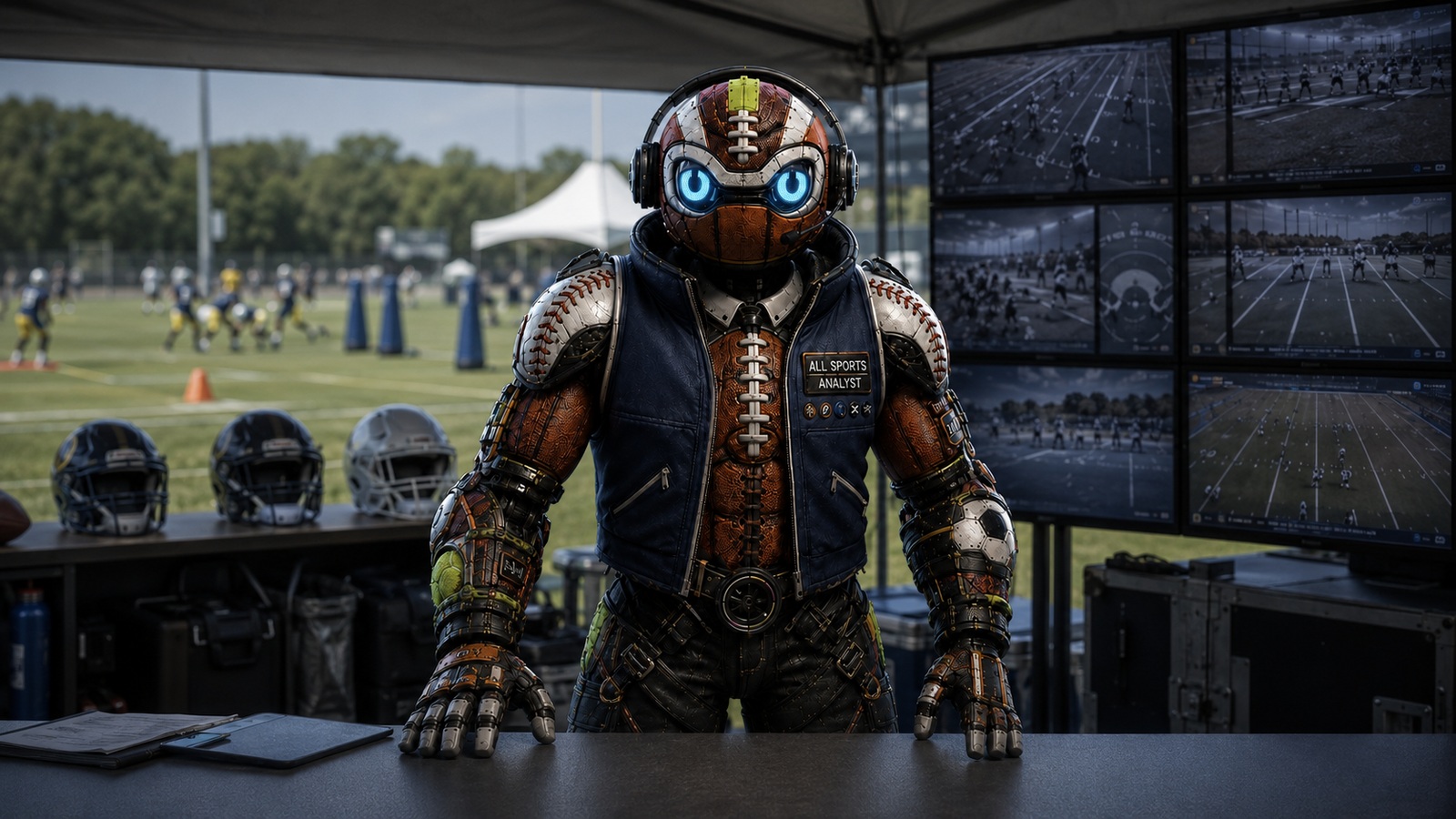
Dallas Cowboys training camp is opening with a familiar promise: the team believes a Super Bowl run is realistic. The official team site reported that offensive lineman Tyler Smith described the goal as attainable if players work and execute consistently.
That is the correct tone for July. Training-camp statements are not predictions, and enthusiasm is not evidence of a finished roster. The Cowboys enter the season with pressure created by recent misses, public expectations, and the belief that offseason changes can repair weaknesses. The first questions are practical: Who wins position battles? Which players stay healthy? Does the defense communicate? Can the offensive line protect long enough for the plan to work?
Sports coverage often treats confidence as news because confidence helps define a team’s identity. But the measurable story begins when practices become preseason games and the depth chart becomes a weekly injury report. Coaches can promise versatility; opponents will test it. A star can describe a standard; the season will reveal whether the roster reaches it.
The Cowboys do not need to win July to justify the ambition. They need evidence that the organization learned from the last two seasons. That means fewer avoidable penalties, better situational execution, and a clear answer when a starter leaves the field. Super Bowl language is easy to repeat. Building the habits that support it is the actual assignment.
The next stage will be evidence, not volume. Officials will publish statements, filings, schedules, contracts, court orders, or certified results as the story develops. Those records will answer questions that early coverage cannot. Readers should separate what happened, what an official says happened, and what an analyst believes may happen next. That discipline matters especially when a story is spreading across social platforms, where a real document can be clipped, miscaptioned, or paired with an unsupported conclusion. FrontPage Crew will update the article when the record changes and will label corrections clearly. The goal is not to flatten disagreement; it is to make disagreement traceable. A strong story leaves room for uncertainty while still telling readers what is known now, why it matters, and what evidence would change the assessment. That is how a developing story becomes a useful public record instead of a pile of reactions. The final measure is whether the published record supports the conclusion readers were invited to draw.
Parker’s scoreboard is not live yet. Camp gives us signals, not standings. The smart read is to watch the reps, the health report, and the adjustments before turning a confident quote into a forecast.