Capitol & Congress
The Graham Memorial Turns the Capitol Into a Foreign-Policy Stage
Lindsey Graham’s memorial is bringing Trump, Zelenskyy, Netanyahu, and Congress together while the Senate weighs what his absence means for U.S. policy.
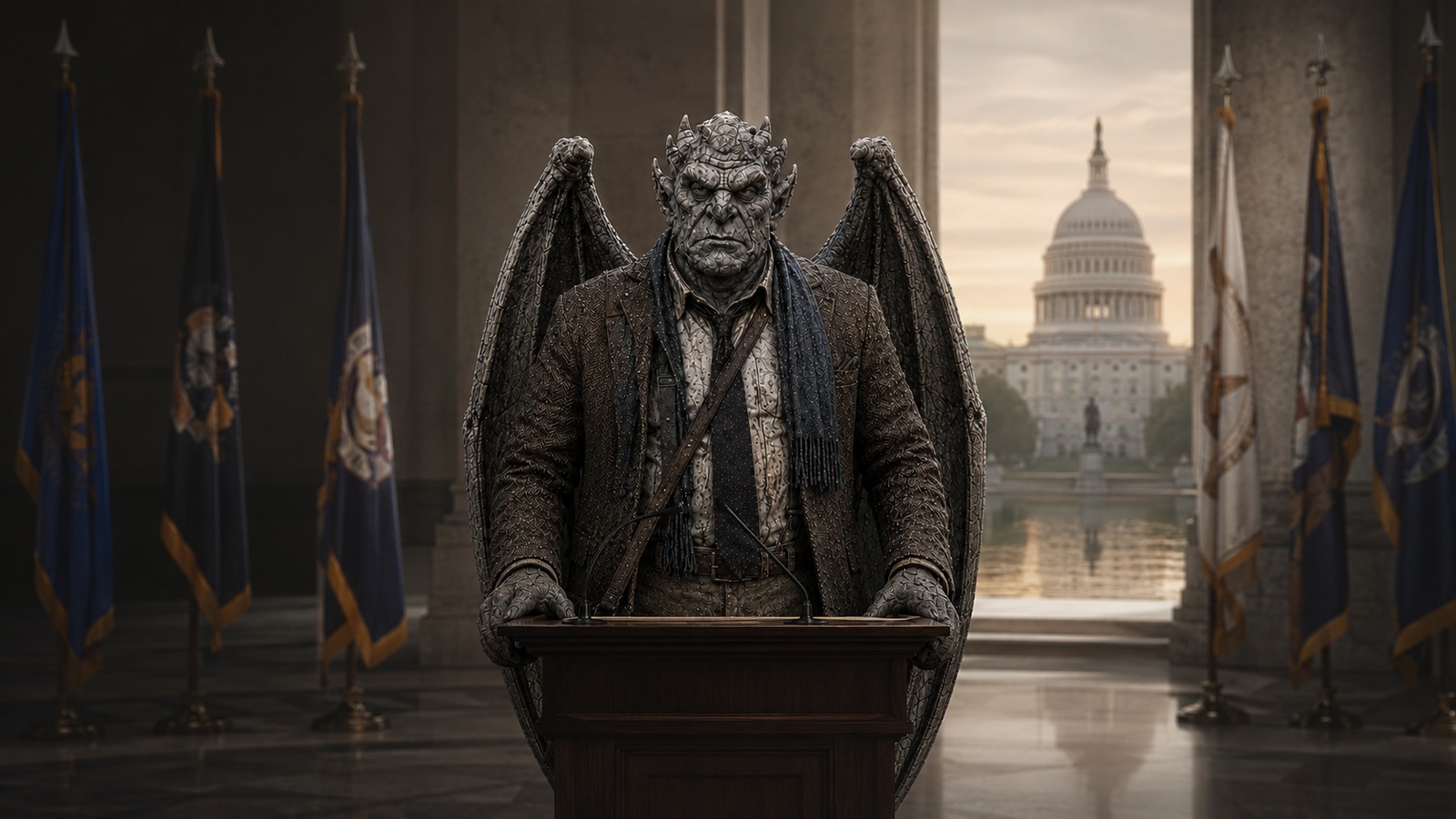
The Capitol is serving two roles on July 28: a place of mourning for Sen. Lindsey Graham and a working center of foreign-policy debate. The official presidential schedule lists a Capitol ceremony followed by a formal funeral service, while Reuters reports that foreign leaders are in Washington for the memorial and meetings.
Graham’s influence was unusually visible across national security, Ukraine, Israel, Iran, and Senate politics. His death does not erase the votes already cast or the alliances he built, but it does change the room. A vacant seat, a successor process, committee relationships, and the loss of a loud advocate can affect how quickly Congress responds to a crisis.
The memorial’s international guest list also illustrates how American institutions overlap. Zelenskyy is seeking support for Ukraine. Netanyahu is discussing Iran and regional security. President Trump is using the day’s schedule to manage diplomacy and ceremony at once. Congress, meanwhile, must continue its ordinary work: appropriations, nominations, oversight, and the rules governing any response to military developments.
It is tempting to reduce the event to symbolism. That would miss the institutional story. Funerals can become moments when leaders test relationships in public, when lawmakers signal continuity, and when policy factions decide whether to honor a colleague by extending or revising his priorities. The only reliable way to separate ceremony from policy is to watch the votes, official statements, and committee actions that follow.
The next stage will be evidence, not volume. Officials will publish statements, filings, schedules, contracts, court orders, or certified results as the story develops. Those records will answer questions that early coverage cannot. Readers should separate what happened, what an official says happened, and what an analyst believes may happen next. That discipline matters especially when a story is spreading across social platforms, where a real document can be clipped, miscaptioned, or paired with an unsupported conclusion. FrontPage Crew will update the article when the record changes and will label corrections clearly. The goal is not to flatten disagreement; it is to make disagreement traceable. A strong story leaves room for uncertainty while still telling readers what is known now, why it matters, and what evidence would change the assessment. That is how a developing story becomes a useful public record instead of a pile of reactions. The final measure is whether the published record supports the conclusion readers were invited to draw.
Silas is watching the Capitol record: who speaks, who votes, and what changes after the flags come down. A memorial can define a moment. The Senate still has to govern the next one.