
Investigations & Accountability
Attorney General Todd Blanche gave the Justice Department an avoidable accountability problem Sunday. Asked whether he would always act independently of President Donald Trump, Blanche declined to make a categorical pledge and said he would consider the president’s views in individual prosecutions. Axios reported the exchange. It arrived less than a week after Blanche was sworn in and three days after he told department employees he would lead with integrity.
The issue is not whether a president may set broad law-enforcement priorities. Presidents appoint attorneys general, and administrations choose where to place resources. The narrower question is whether White House preferences about a named person or pending case influence prosecutorial decisions that are supposed to rest on facts, law and department policy. That is where the mud starts sticking to the boots.
Blanche’s history makes the wording consequential. Before joining the administration, he represented Trump in criminal proceedings. At his July confirmation hearing, senators from both parties pressed him about independence, the department’s handling of Epstein-related files and a proposed compensation fund for people alleging political prosecution. He told the committee he was not Trump’s personal lawyer as attorney general. The Senate later confirmed him narrowly, and the Associated Press reported bipartisan concern about the department’s direction.
Sunday’s answer does not prove interference in any prosecution. No charging memorandum, order or case-specific directive has been produced showing that Trump dictated an outcome. It does create a testable oversight question: what contacts occur, how are they documented, who participates, and do career prosecutors record legal reasons for resulting decisions? Those are questions Congress, inspectors general and courts can examine without guessing about motives. They also provide a fair standard for future reporting: compare documented procedures across cases instead of treating every unpopular outcome as proof of political control.
Blanche’s defenders can reasonably argue that an attorney general should hear the elected president. Critics can reasonably answer that listening becomes dangerous when the subject is a political ally, opponent or former client. The safeguard is not a slogan about independence. It is a trail: recusal analysis, contact logs, written recommendations and consistent treatment of comparable cases.
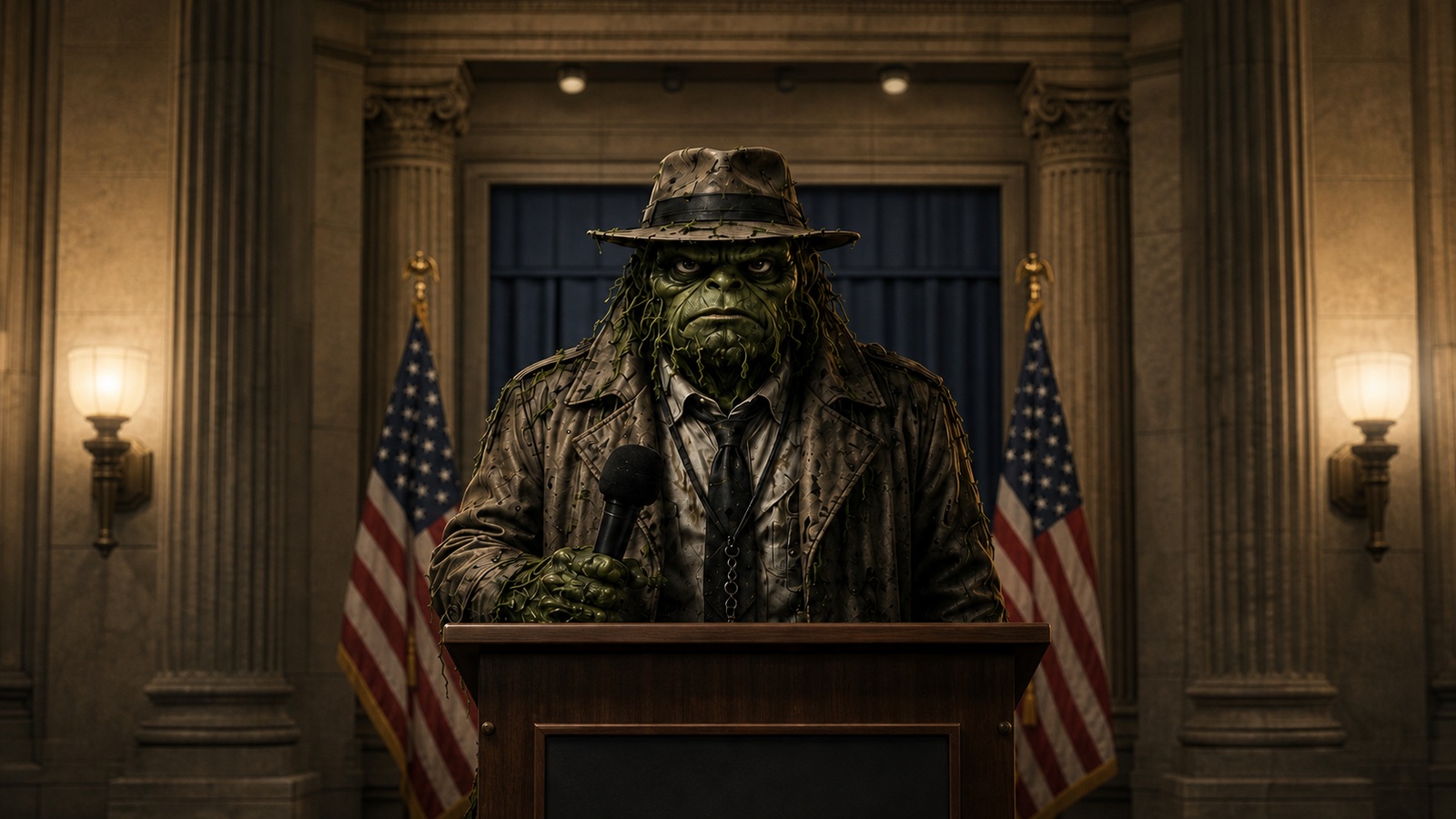
The swamp does not drain itself. For now, the confirmed fact is Blanche’s refusal to draw an absolute line in the interview. The allegation of compromised prosecutions remains unproved. Follow the mud next to the records that can separate consultation from command. The record will answer.
Sources
- Axios — Blanche won’t pledge DOJ independence from Trump (08-16-2026)
- Associated Press — Blanche seeks to rally a depleted Justice Department workforce in first speech as attorney general (08-13-2026)
- Associated Press — Todd Blanche is sworn in as attorney general after bruising confirmation fight (08-10-2026)