Defense & Security
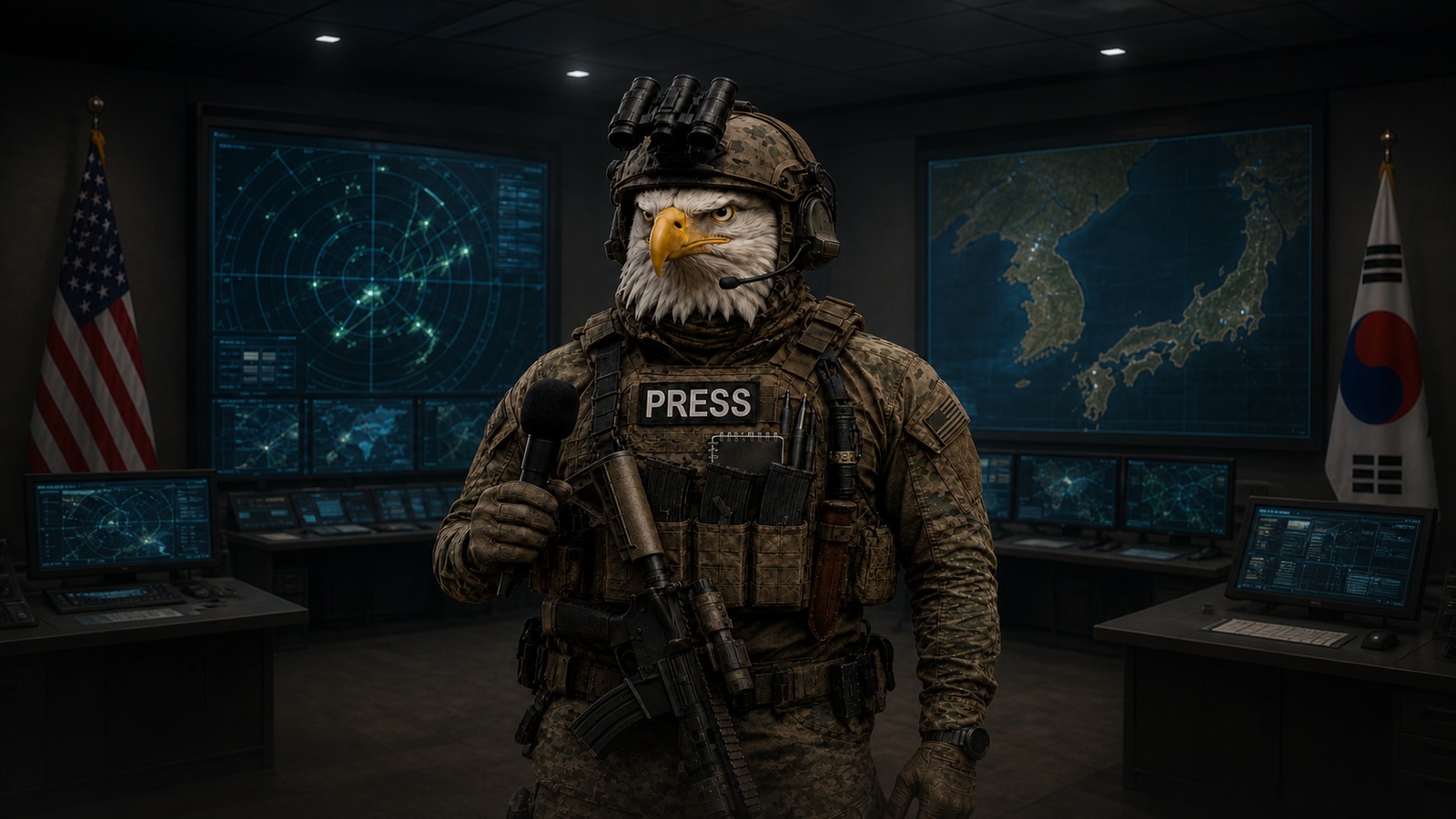
President Donald Trump has ordered the United States to scale back portions of Ulchi Freedom Shield, the annual command-post and field-training exercise conducted with South Korea. The Associated Press and Axios reported the directive as the administration searches for a diplomatic opening with North Korean leader Kim Jong Un. The exercise had been scheduled to begin this week, making the timing operational rather than theoretical.
Ulchi Freedom Shield is designed to test how American and South Korean commands would communicate, reinforce units and respond during a crisis on the peninsula. It combines computer-assisted command drills with field events. Reducing an exercise does not dissolve the alliance or withdraw the roughly 28,500 U.S. troops stationed in South Korea. It does, however, change the number and type of repetitions available to commanders before a real emergency.
The administration’s strategic wager is familiar: lowering the military temperature may create space for talks. Trump has repeatedly expressed interest in meeting Kim, while Pyongyang has objected to allied exercises as rehearsals for invasion. Seoul has also sought ways to manage tensions without surrendering deterrence. The immediate question is which events are cancelled, postponed or narrowed, because a smaller headquarters drill carries a different readiness cost than cutting live maneuver, air-defense or logistics training.
The public reporting confirms Trump’s order and the diplomatic rationale described by officials. It does not yet provide a complete event-by-event list or an agreed North Korean concession. Pyongyang has not committed publicly to negotiations in exchange for the change. That distinction matters: the United States has made an observable adjustment, while the hoped-for diplomatic return remains prospective. South Korea’s own force posture matters too. Any revised plan must preserve combined command relationships, reinforcement routes and the ability to respond quickly if diplomatic signaling fails or North Korea answers with a test rather than a meeting.
Commanders can mitigate some lost repetitions with simulations, smaller unit drills and later training, but readiness is perishable. Crews rotate, plans change and coordination must be practiced. The alliance should therefore publish enough detail to explain which capabilities remain tested and how any deferred work will be recovered without handing an adversary an operational blueprint.
What does victory look like? Not a photograph or a promise. It is a measurable combination of preserved allied readiness, reduced risk of miscalculation and verifiable diplomatic movement from North Korea. Until all three are visible, this is a calculated adjustment—not a completed strategic success.
Sources
- Associated Press — Trump orders scale-back of military drills with South Korea (08-17-2026)
- Axios — Trump orders U.S.-South Korea military drills cut (08-16-2026)
- Just the News — Trump orders scale-back of military drills with South Korea (08-17-2026)