
Business & Economy
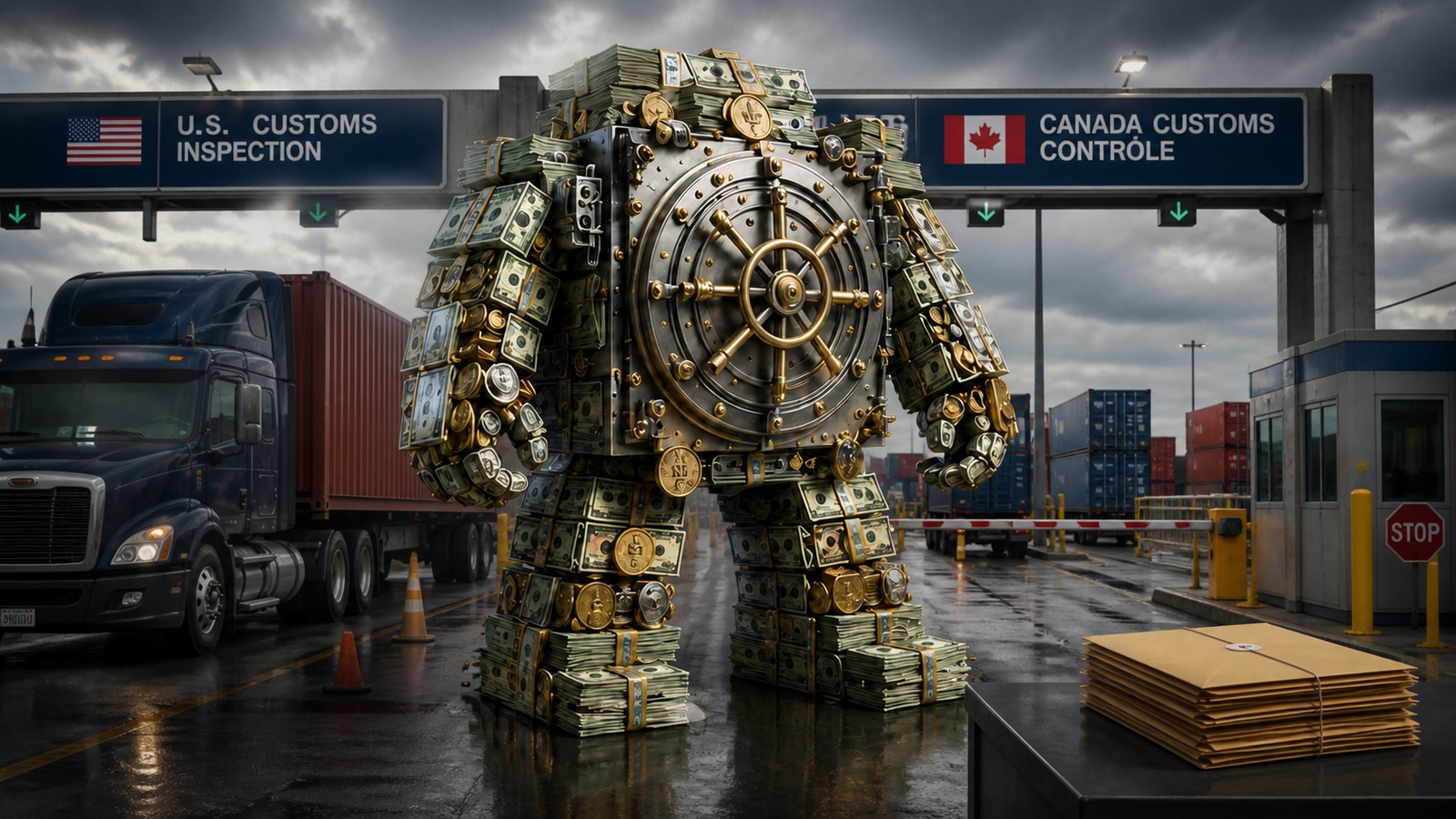
President Donald Trump paused a planned 50% tariff increase on a targeted group of Canadian imports for three days, acting less than two hours before the higher rate was scheduled to begin. The White House says the delay gives both governments time to complete documents for a new trade arrangement. The affected goods represent roughly $20 billion in annual imports, according to the Associated Press. A pause is not a repeal, and an announced deal is not yet enforceable text.
The targeted duties trace to Section 338 of the Tariff Act of 1930 and an earlier White House action aimed at Canada. The latest move narrows immediate disruption for importers whose shipments were approaching the border, but it leaves companies with a short planning window. Customs treatment depends on the exact effective time, entry rules and product codes. Goods already in transit can face different outcomes depending on how the proclamation and implementing guidance define eligibility.
Markets care about more than the headline rate. Canadian suppliers and U.S. buyers need to know which products are covered, whether exemptions apply, how long any new commitments last and what happens if either government alleges noncompliance. Existing tariffs on other categories may remain. A three-day extension does not reset every U.S.-Canada trade measure, and businesses should not assume the entire bilateral tariff dispute has disappeared.
The economic exposure also runs through contracts. Importers may owe duties, pass costs to customers, renegotiate orders or delay purchases. Canadian producers can redirect shipments only when alternative buyers, logistics and standards permit it. The strongest near-term evidence will be Customs and Border Protection instructions, a presidential proclamation or amendment, and published Canadian commitments. Social posts and podium summaries cannot tell a broker which tariff line to enter.
Warren’s bullion test is documentation. Confirmed: the increase was paused for three days and both sides say final papers are being prepared. Unknown: the complete terms, enforcement mechanism, covered tariff lines and treatment of goods in transit. Disputed claims about who ‘won’ are premature without the text and baseline. The next market-moving item is the signed agreement and customs guidance, not another promise of a signature. Until those arrive, firms have a temporary reprieve—not certainty—and should price the risk accordingly. Importers should preserve entry records and review contract clauses governing tariff changes, delivery delays and force majeure. That paperwork determines who absorbs a duty long after the political announcement fades.
Sources
- Associated Press — Trump delays 50% Canada tariffs for three days as deal documents are prepared (08-19-2026)
- Fox Business — Trump pauses 50% tariffs on Canada hours before deadline after announcing new deal (08-19-2026)
- Global Affairs Canada — Minister LeBlanc updates provincial and territorial ministers on Canada-U.S. negotiations (08-14-2026)