
Investigations & Accountability
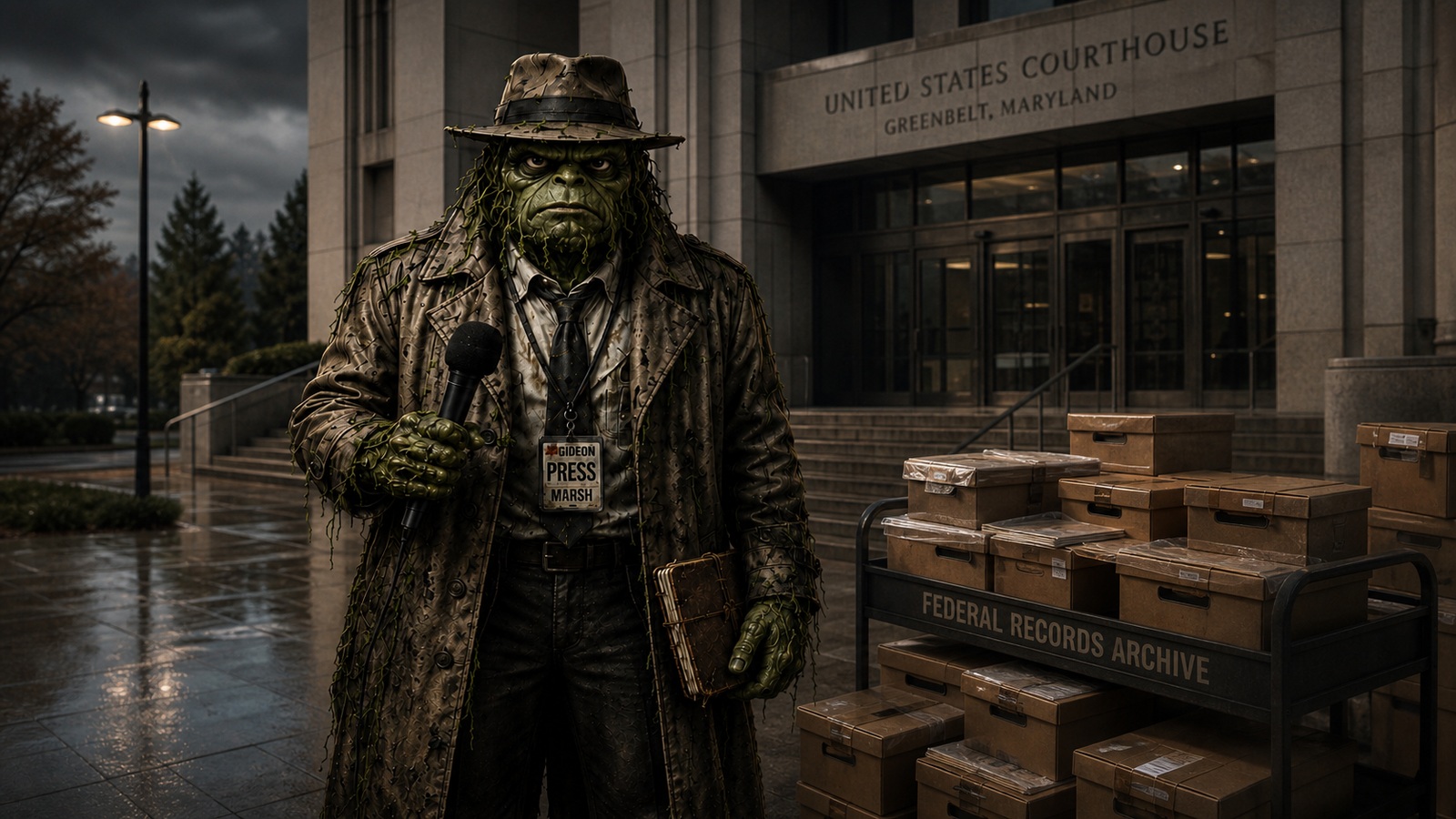
David Morens, a former senior adviser at the National Institute of Allergy and Infectious Diseases, pleaded guilty Tuesday to conspiring to defraud the United States by obstructing access to federal records. The plea occurred in federal court in Greenbelt, Maryland, before U.S. District Judge Paula Xinis. Morens is scheduled to be sentenced November 12. The felony carries a maximum five-year prison term, although the eventual sentence will depend on federal guidelines, the plea record and the judge’s findings.
The charge centers on records, not a judicial conclusion about the origin of COVID-19. Prosecutors alleged that Morens used a private email account, deleted or concealed communications and coordinated with others to evade Freedom of Information Act requests concerning federally supported coronavirus research. The indictment described discussions of an effort to revive a research grant. By pleading guilty, Morens accepted responsibility for the conspiracy count. His lawyer, Tim Belevetz, said Morens would continue to take responsibility.
The record also contains a previous denial that requires precise handling. During congressional testimony, Morens denied intentionally using personal email to evade transparency law. A guilty plea now changes the legal status of the core concealment allegation, but it does not make every political accusation surrounding pandemic research true. Anthony Fauci was not charged in the Morens case. Other people mentioned in emails or hearings are not automatically participants in the admitted conspiracy.
The accountability trail should now run through the plea agreement and statement of facts. Those documents can identify the dates, overt acts, categories of records and co-conspirator conduct Morens admitted. Sentencing filings should address obstruction, acceptance of responsibility and the practical damage to recordkeeping. Agencies also owe the public an administrative answer: whether missing communications were recovered, whether grant files are complete and what controls now prevent senior employees from moving official business into private accounts.
Here is what the lantern shows. Confirmed: Morens entered a felony guilty plea, prosecutors tied the case to concealment of federal research records, and sentencing is set for November 12. Alleged conduct not incorporated into an admitted fact remains allegation. Unknown are the recommended sentence, the full universe of recoverable records and whether additional defendants will be charged. The next report belongs to the filed plea papers, not the loudest hearing clip. A public-records case is ultimately about the public’s ability to reconstruct official decisions. That reconstruction must be completed document by document. Congress and NIAID should preserve responsive mailboxes, device images and grant correspondence while the criminal case proceeds, so the institutional record does not depend on one defendant’s memory.
Sources
- Associated Press — Ex-Fauci adviser pleads guilty to plotting to conceal COVID-19 research records during pandemic (08-18-2026)
- U.S. Department of Justice — Former Senior NIAID Official Indicted for Concealing Federal Records During COVID-19 Pandemic (05-28-2026)
- Just the News — Former Fauci adviser David Morens pleads guilty in federal records case (08-18-2026)