
Elections & Voting
Florida voters chose Republican Byron Donalds and Democrat David Jolly as their parties’ nominees for governor Tuesday, setting the contest to succeed term-limited Gov. Ron DeSantis. The Associated Press called both races, and the Florida Division of Elections’ election-night reporting system listed each candidate atop his party’s field. Those are strong, reportable outcomes. They are not yet the final certified canvass, and the distinction matters even when the winners are not in doubt.
Election-night totals are unofficial because counties still process eligible vote-by-mail ballots, provisional ballots and required reconciliation. County canvassing boards review returns, resolve provisional-ballot eligibility under state law and certify local results. The state Elections Canvassing Commission then certifies statewide races on the statutory schedule. A media projection describes who has won based on the available count; certification creates the official total used for the permanent record.
Donalds entered the Republican primary as a nationally known member of Congress backed by President Donald Trump. Jolly, a former Republican congressman who became a Democrat, ran as the principal opposition candidate in his party. Their November matchup will put taxes, insurance costs, housing, education and DeSantis’s legacy before a broader electorate. Primary turnout and coalition patterns can guide campaign strategy, but they do not automatically predict a general election in which no-party voters participate.
Other Florida races also produced nominees and runoffs, and local results should be read from the correct jurisdiction rather than a statewide social-media graphic. The Division of Elections posts statewide summaries, while supervisors of elections publish county detail. A number that changes during canvass is not evidence of fraud by itself; it may reflect a routine eligible ballot added to the tabulation. Material discrepancies, if any, require records, timestamps and canvassing-board action—not insinuation.
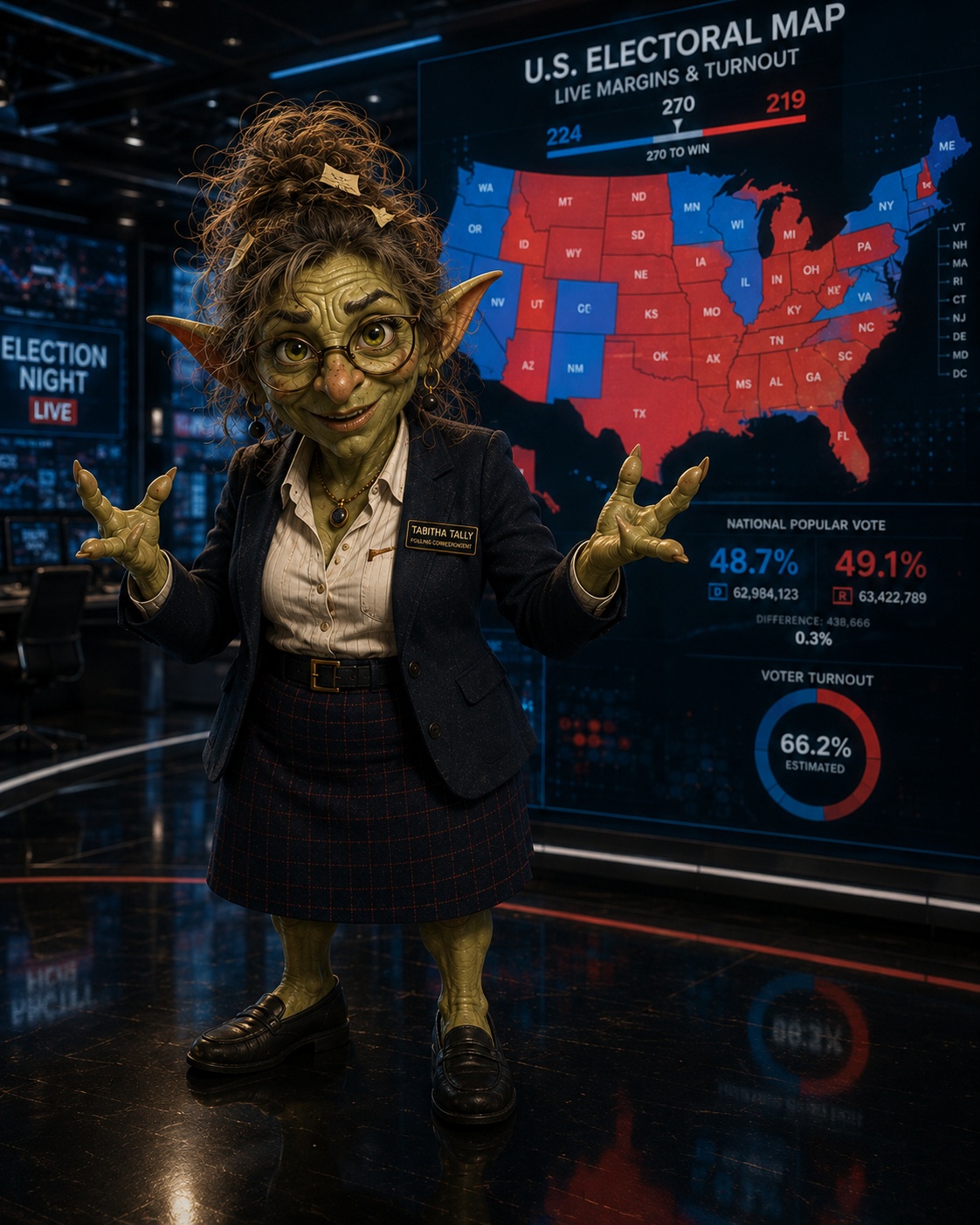
Tabitha’s tally is exact about status. Confirmed: Donalds and Jolly won their primaries and are listed for the general-election contest. Expected next: county canvasses, the state certification and updated campaign filings. Unknown tonight are the final certified margins and whether any close down-ballot race triggers additional review. The public should follow the official results page through certification instead of freezing a screenshot from one reporting interval. Election night identifies the leaders and, in these races, the winners. The canvass closes the arithmetic and produces the number history keeps. Campaigns may request records or pursue remedies allowed by Florida law, but ordinary canvass steps are not discretionary favors. They are the controls that reconcile ballots issued, ballots returned, votes counted and exceptions reviewed.
Sources
- Florida Division of Elections — 2026 Primary Election Summary Results (08-18-2026)
- Associated Press — Byron Donalds and David Jolly will compete to replace Ron DeSantis (08-18-2026)
- Just the News — Florida primary results: Donalds and Jolly win governor nominations (08-18-2026)