
Technology & Innovation
Students beginning at Purdue University’s West Lafayette and Indianapolis campuses this fall will enter under a new graduation requirement: they must demonstrate an artificial-intelligence working competency. The Board of Trustees approved the plan in December 2025, and implementation begins with the incoming class of 2030. Current undergraduates are not retroactively required to satisfy it. Purdue says the goal is practical fluency—understanding capabilities and limits, communicating AI-assisted decisions and adapting as tools change.
This is not one identical chatbot course for every major. The trustees delegated the provost and academic colleges to build discipline-specific criteria. Music, pharmacy, engineering and political science can therefore demonstrate competency differently while meeting common expectations. Purdue reported in June that it initially planned 22 competency courses across fields including engineering, science, human development, literacy, pharmacy and food science. Departments may also use projects or existing coursework where the curriculum council approves the evidence.
That design solves one problem and creates another. AI changes too quickly for a frozen list of software tricks, so the requirement emphasizes judgment, verification and field context. But decentralized standards can drift. A graduate who passes through one college should not receive a credential that means something entirely different from a graduate across campus. The university needs published learning outcomes, review schedules and examples of acceptable work, plus a route for students to challenge inconsistent assessment.
Academic integrity remains separate. Teaching students to use AI does not authorize undisclosed assistance on every assignment. Instructors still set course rules, and students still own the accuracy of submitted work. The most credible competency tasks will require them to document prompts or tools, test outputs against sources, explain limitations and defend decisions without outsourcing the reasoning. Employers need graduates who can catch a confident machine error, not merely produce one faster.
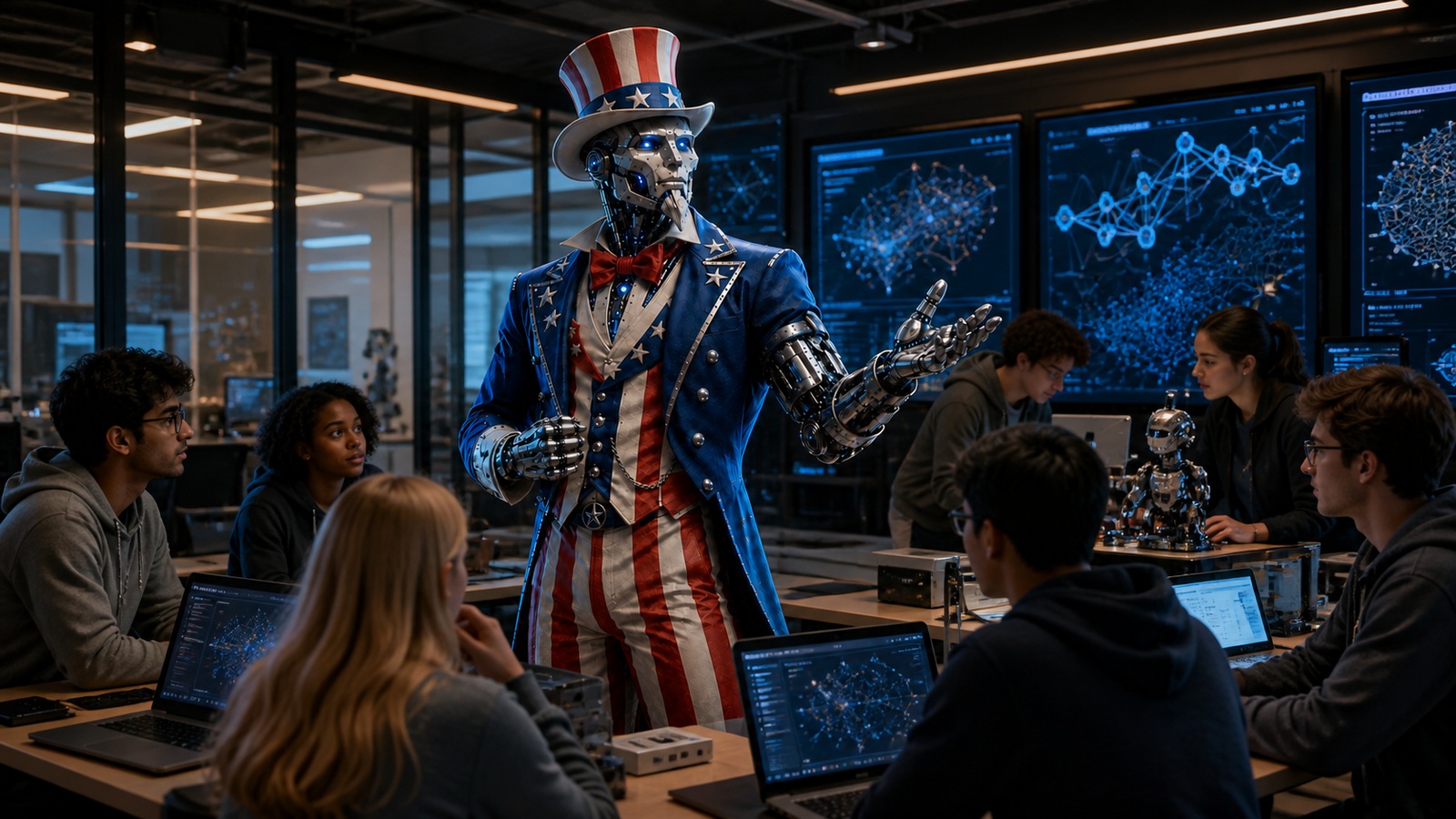
Uncle Sibursam’s field note is simple: Purdue is treating AI literacy like a campuswide working skill, but implementation—not the headline—will decide its value. Confirmed are the requirement, the fall 2026 starting cohort and the discipline-specific structure. Unknown are final assessment details across every college, transfer-credit treatment and long-term employer response. The next checkpoint is the published course and proficiency map students actually use. A modern diploma should certify more than button pushing. If Purdue can teach skeptical, accountable use alongside technical skill, this experiment may be worth copying. The rollout should also publish accessibility accommodations, approved data-handling practices and clear rules for proprietary research. Students cannot learn responsible AI use if the assessment itself rewards uploading private information or hides the standard they must meet.
Sources
- Purdue University — Purdue first to establish AI graduation requirement (12-12-2025)
- Purdue University Office of Research — Academic and Research Excellence Update (06-29-2026)
- Fox News Digital — Purdue University implements AI graduation requirements (08-18-2026)