
Elections & Voting
Tulsa businessman Mike Mazzei won Oklahoma’s Republican nomination for governor Tuesday, defeating state Attorney General Gentner Drummond in a runoff projected by the Associated Press. The contest followed a June primary in which neither candidate reached a majority. Mazzei now advances to the Nov. 3 general election. The runoff selected a party nominee; it did not elect the next governor, and election-night returns remain unofficial until the state completes canvassing and certification.
The margin was narrow enough to make the counting path important. The Oklahoma State Election Board publishes county and statewide results, then moves through statutory post-election procedures. Media projections evaluate reported votes and remaining ballots, while certification converts canvassed totals into the official result. Those are different statuses. Screenshots without timestamps or county context should not outrank the election board’s updated reporting system.
The race became a test of late political intervention. President Donald Trump endorsed Mazzei and attacked Drummond during the final stretch. The Associated Press reported that more than $14 million in television and digital advertising, much of it from independent groups, flooded the ten-week runoff. Endorsements and spending help explain campaign conditions; they do not become votes, and the public record cannot establish precisely how any single message changed an individual ballot.
Mazzei’s projected victory sets the fall matchup in a state where Republicans have held the governorship for two decades. General-election voters will see a different electorate, campaign calendar and set of choices. Turnout from a closed party runoff should not be treated as a forecast of the November denominator. Absentee, provisional and county-canvas adjustments can also alter final figures without implying misconduct.
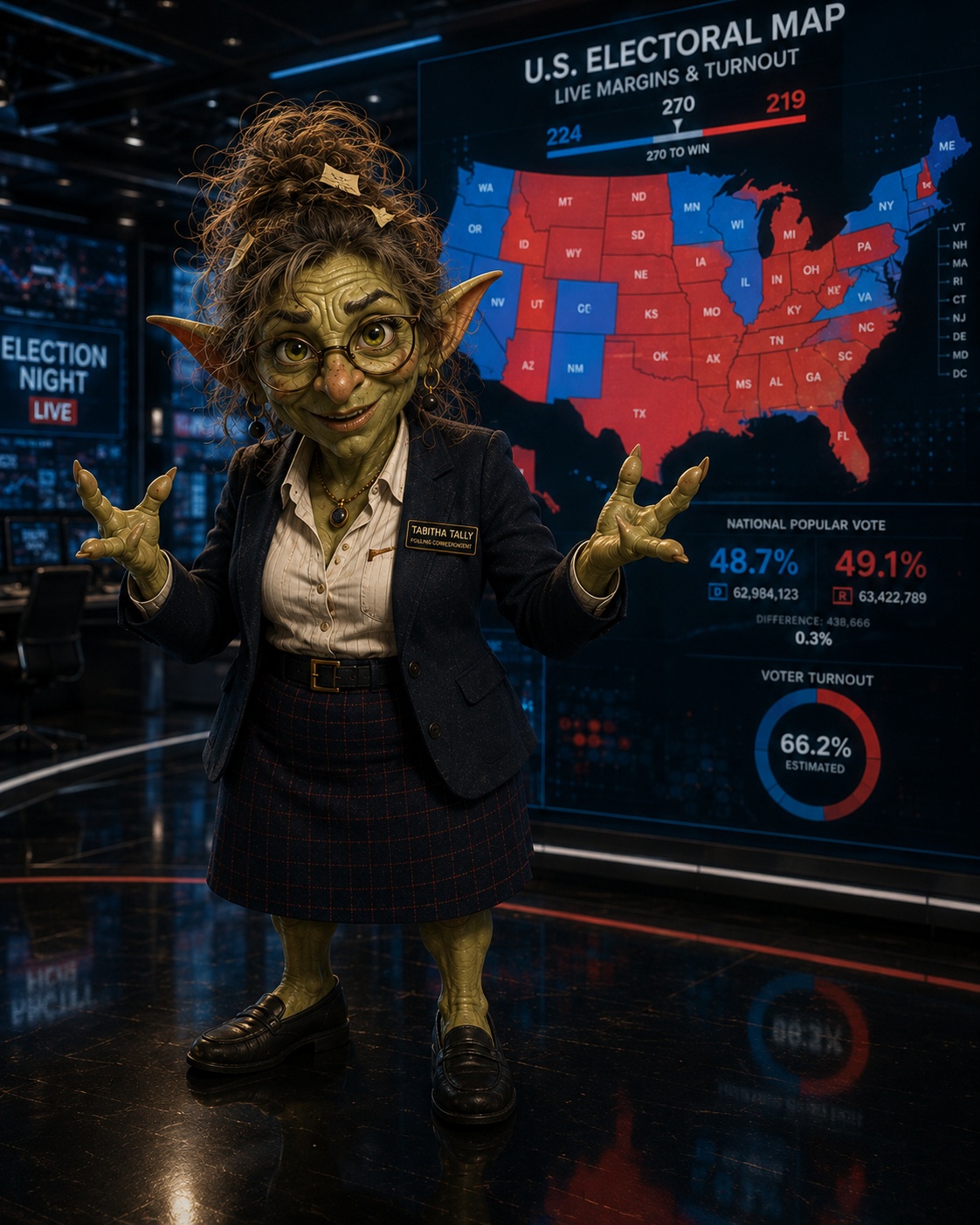
Tabitha’s tally: confirmed are the AP projection, candidate identities, runoff purpose and November consequence. Campaign accusations remain claims. Disputed are the weight of Trump’s endorsement, outside spending and negative advertising. Unknown are certified totals, final margin and general-election turnout. Expected next are county canvasses, state certification and a transition to the fall campaign. Count the ballots that were cast, label projections as projections and wait for the certificate before freezing a number into history. A proper post-election table should preserve the election board’s timestamp, votes by county, provisional-ballot status and any correction notice. Those fields explain legitimate movement between election night and certification and help readers identify unsupported fraud claims before they spread. The certified statement of vote, rather than a concession alone, establishes the official nominee.
Audit notices should remain linked beside the certified statement of vote so the official result and any administrative correction stay in one public record.
Sources
- Associated Press — Businessman Mike Mazzei wins the GOP nomination for Oklahoma governor with Trump's endorsement (08-25-2026)
- Oklahoma State Election Board — Election Results (08-25-2026)