
Politics & Government
The Departments of Transportation, Homeland Security and Justice have launched Joint Task Force Crossroads of America, an interagency campaign focused on fraud in commercial-driver licensing and training. The announcement brings regulators, immigration investigators and federal prosecutors into one framework across Illinois, Indiana, Michigan and Ohio. It is an enforcement initiative, not a single criminal indictment.
DOT says it has ordered the emergency removal of 110 commercial-driver-license schools associated with more than 5,000 drivers who failed English-language proficiency tests. It also announced a national audit of third-party CDL skills testers and state oversight of those testers. DHS described a synchronized sweep involving more than 200 training schools in 23 states. Those numbers describe administrative actions and investigative targets; they do not mean every school or driver has been convicted of fraud.
Justice's role is to coordinate prosecutors and develop cases involving alleged bribery, false medical certifications, visa misuse, labor exploitation and financial crimes. Eight U.S. attorneys were identified in the broader effort. Each eventual case will still require evidence tied to particular defendants, a charging document and due process. A task-force press conference cannot substitute for those records.
The bureaucratic challenge is unusually layered. States issue CDLs, private schools train applicants, third-party testers may conduct skills exams, FMCSA sets federal safety standards, and DHS enforces immigration law. Fraud can exploit gaps between databases or agencies. Coordination may close those gaps, but it also increases the need for clear notice, accurate records and a process for schools or drivers to contest mistaken action.
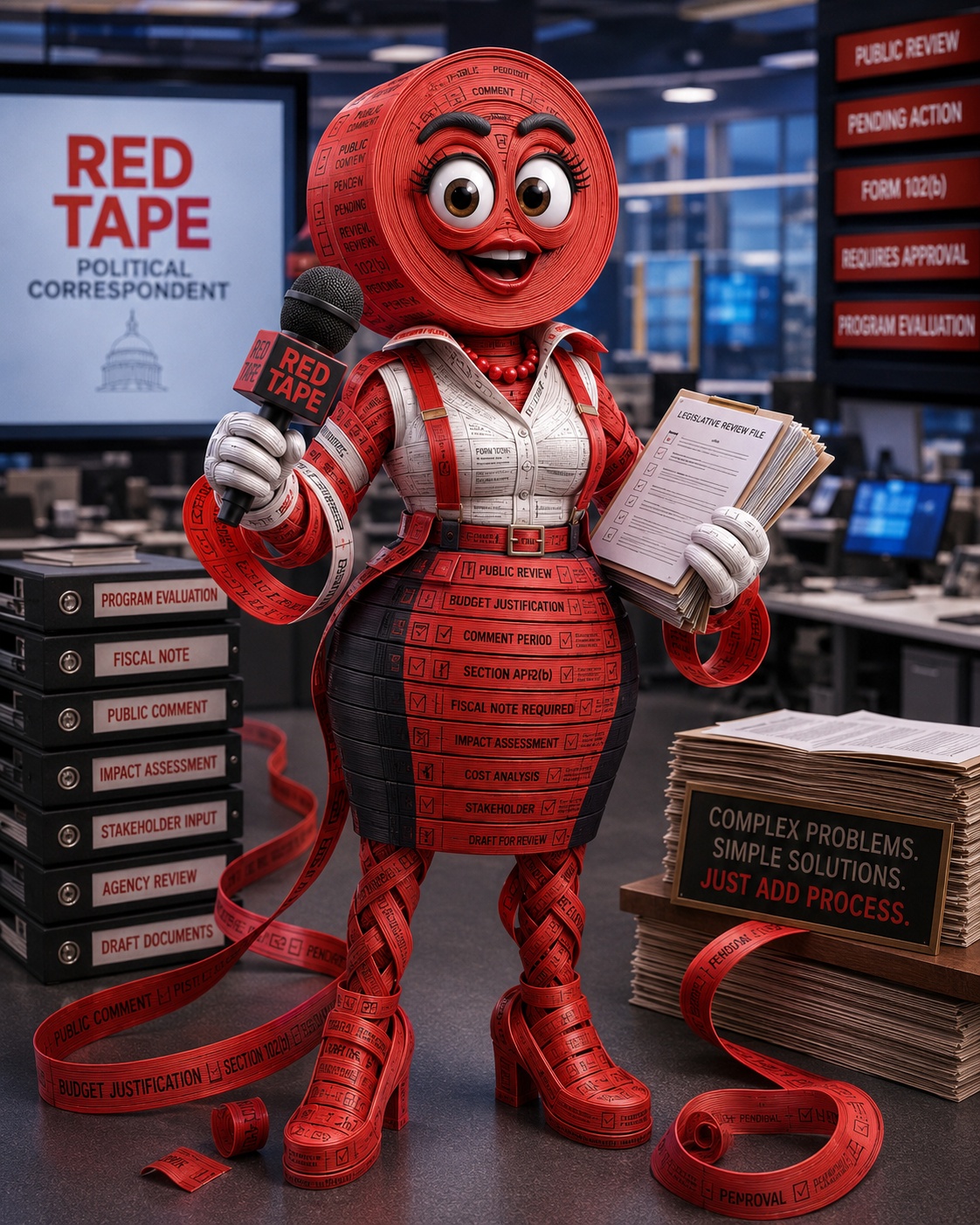
Ruby's red-tape test is simple: follow the paper trail from announcement to order. Which schools received formal notices? What evidence supported removal? How many drivers lose credentials after state review? How many investigations become filed criminal cases, and how many allegations fail? Road safety is a compelling goal, but labels such as “unqualified” and “illegal” must be attached to documented findings, not entire categories of people. The confirmed development is a multiagency enforcement structure with specified audits and sweeps. Its effectiveness will be measured by sustained, lawful results rather than the size of the launch-day numbers.
For drivers already holding licenses, agencies also must distinguish a training school's alleged misconduct from an individual's actual competence and conduct. A defective school record may justify review, but automatic guilt by association would be vulnerable. State licensing files, test records and hearing rights will determine whether enforcement removes unsafe operators without sweeping qualified drivers into an administrative dragnet.
Sources
- U.S. Department of Transportation — Agencies Launch Interagency Effort Against Fraud in Trucking Industry (08-31-2026)
- U.S. Department of Justice — U.S. Attorneys Join Crossroads of America Trucking Initiative (08-31-2026)
- FOX 2 Detroit — Federal officials shutting down trucking schools combating fraud (08-31-2026)