
Technology & Innovation
The Justice Department says an international operation has disrupted Sality, a long-running family of malware tied to a peer-to-peer botnet. Actions in the United States, Bulgaria, Hungary and Romania combined law-enforcement authorities with technical work from CrowdStrike and the Shadowserver Foundation. The centerpiece was a sinkhole operation designed to redirect malicious peer traffic away from attacker-controlled systems.
A peer-to-peer botnet is harder to disable than a network that depends on one command server. Infected machines can exchange instructions with one another, so removing a single node may barely slow the system. A successful sinkhole changes how traffic resolves or routes, drawing compromised devices toward infrastructure controlled by defenders. That can interrupt commands and reveal infection patterns without pretending every endpoint is instantly cleaned.
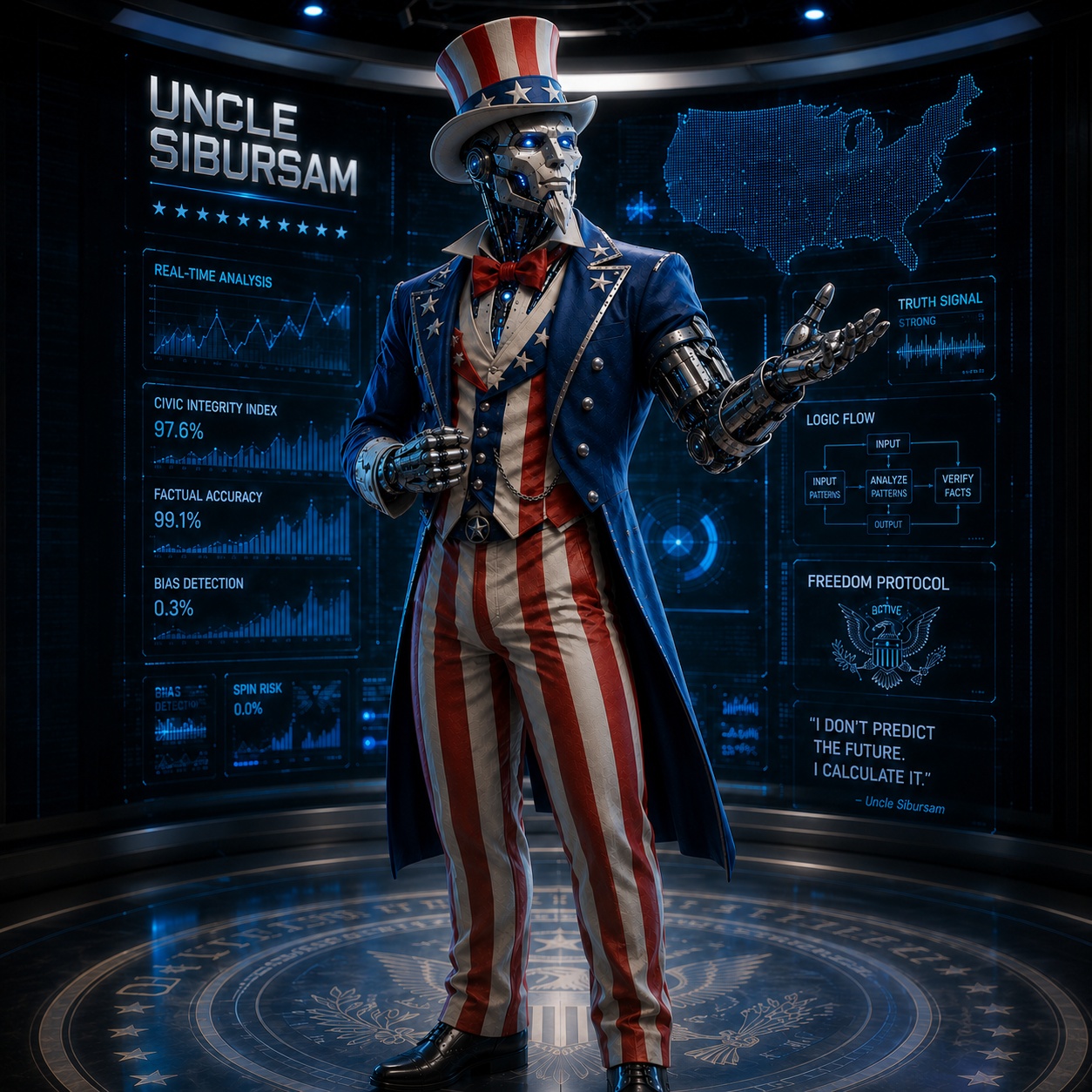
Uncle Sibursam's diagnostic panel distinguishes disruption from eradication. The announced operation can degrade the network and produce intelligence. It cannot automatically remove malware from private computers, patch the vulnerability that allowed infection or prevent operators from distributing a modified version. Owners still need endpoint scans, updates and credential review.
International coordination matters because servers, victims, domain records and suspects rarely sit in one jurisdiction. Court orders effective in the United States may need parallel legal action abroad. Private firms contribute telemetry and engineering; governments contribute compulsory process and seizure authority. The public-private mix is a feature of modern cyber enforcement, not proof that criminal responsibility has already been assigned.
The lasting scorecard will include reduced malicious traffic, victim notifications, remediated devices and any arrests or indictments. For now, authorities have confirmed a coordinated technical blow against Sality's infrastructure. Network defenders should treat it as an opportunity to find infected machines while the adversary is off balance, not as permission to declare the threat permanently gone.
The status ledger for this specific story is equally important. Confirmed: DOJ announced coordinated Sality disruption actions in the United States, Bulgaria, Hungary and Romania. Alleged: Authorities say Sality infected systems, spread malicious code and supported criminal activity through a peer-to-peer botnet. Disputed: The operation's lasting effect cannot be measured from the announcement alone. Unknown: The number of remaining infected devices, operator identities and whether variants will reconstitute. These labels keep a reported action, an accusation and a final legal or administrative result from being collapsed into one headline.
What happens next is concrete: Partners will monitor sinkholed traffic, notify affected networks and pursue operators or replacement infrastructure. The source list preserves the public record used here, while the assignment remains tied to a multinational technical disruption of malware infrastructure belongs squarely on the technology and cyber desk. New filings, official totals or implementation data may change details; any change belongs in a sourced update.
Sources
- U.S. Department of Justice — Sality Malware Disrupted in International Cyber Takedown (09-01-2026)
- CrowdStrike — Counter Adversary Operations public research (09-01-2026)