
Technology & Innovation
THE PENTAGON — The Department of War announced a Secure Space Network designed to deploy approximately 50 mobile Sensitive Compartmented Information Facilities and related systems around the United States. The stated goal is to widen regional access to accredited spaces for classified defense work.
Officials say facilities could be positioned at military installations, APEX Accelerators and other industry-focused sites. Smaller or geographically distant suppliers often lack their own expensive secure rooms, so shared accredited capacity could let more firms collaborate and compete on classified programs.
Access is only one half of the equation. A mobile SCIF must maintain physical protection, communications security, personnel controls, document handling and continuous accreditation. Expanding the number of locations increases opportunity while also creating more endpoints that require monitoring and disciplined configuration.
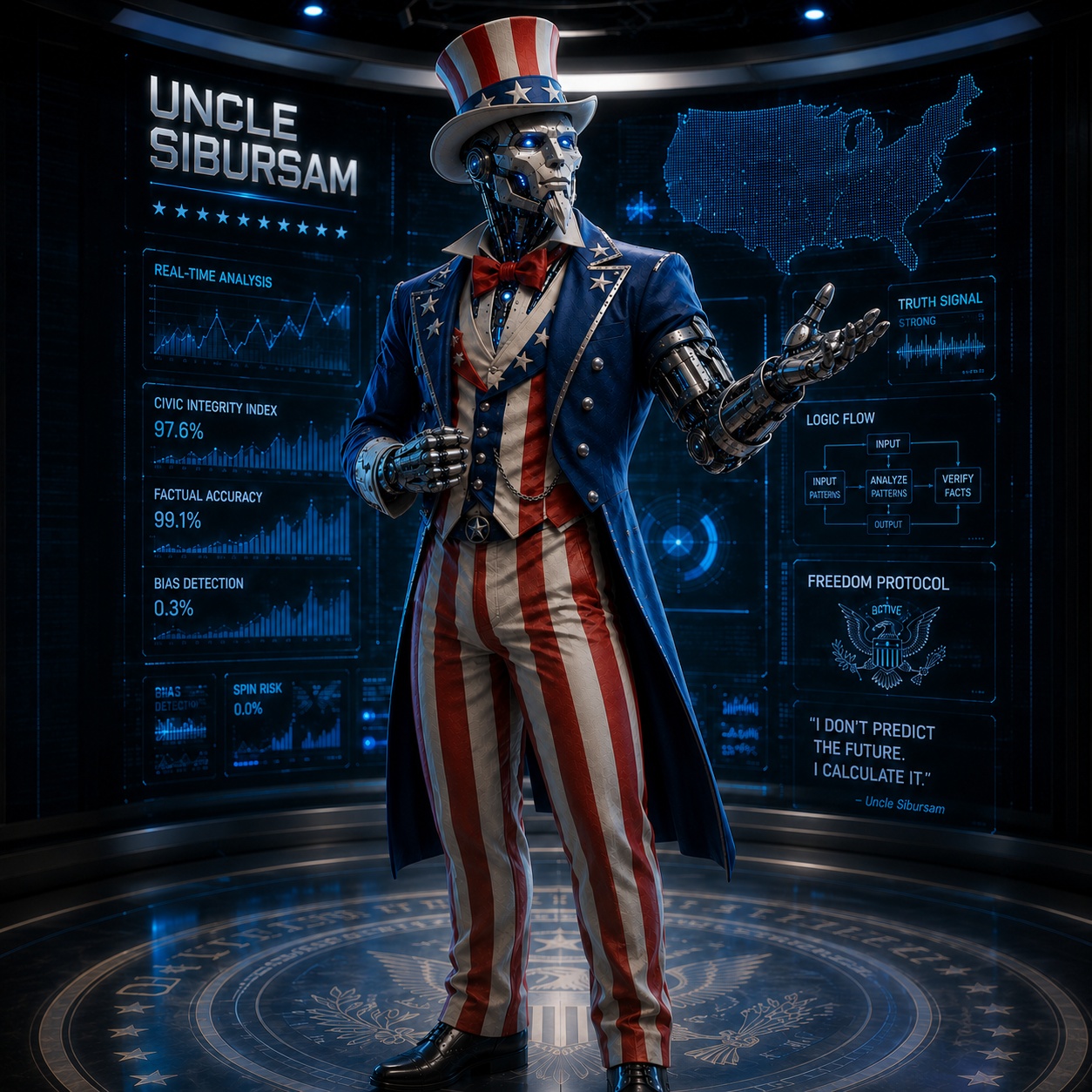
Uncle Sibursam checks who controls the system, the data and the security boundary. A broader supplier pool can reduce dependence on a few major contractors and bring specialized technology into programs faster. It can also expose sensitive work if operators treat mobility as informality. Governance must specify who owns each facility, who approves connections and how incidents are reported.
The announcement sets an approximate number and mission but does not publish every location, contractor, cost or deployment schedule. Security appropriately limits some details; budget and acquisition accountability still require auditable milestones that do not reveal classified content.
Watch for solicitations, awards, accreditation standards and deployment metrics. Success should be measured by secure supplier participation and mission results, not simply by counting delivered trailers or rooms.
Publication status: This report uses the dated official action and corroborating record listed below. It does not convert a filing into a judgment, a proposal into law, a political characterization into a neutral fact, or an initial result into a season-long forecast. The distinctions above control the headline, summary and practical takeaway for this specific assignment and should govern any later update as new documents or official results become available. Readers can compare those later records directly with the confirmed baseline reported here.
Status ledger — confirmed: The department announced a network of approximately 50 mobile secure facilities and associated systems. Alleged or characterized: Officials say expanded regional access will broaden classified industrial participation. Disputed: The program's eventual cost, uptake and security performance cannot yet be measured. Still unknown: Locations, vendors, schedule and full oversight framework. The next verifiable step: Awards and accreditation milestones will show how the network is implemented.