
Defense & Security
SEOUL — North Korea has placed a second modern destroyer into service while the United States, South Korea and Japan begin a new round of trilateral military exercises. State media reported that Kim Jong Un used the commissioning to call for a more reliable nuclear deterrent and stronger maritime combat capability.
The timing is the signal. The Freedom Edge exercise links air, sea and other military training among three allies that have been tightening coordination in response to North Korean missile and nuclear development. Pyongyang routinely condemns such drills as rehearsals for attack; the allies describe them as defensive readiness training.
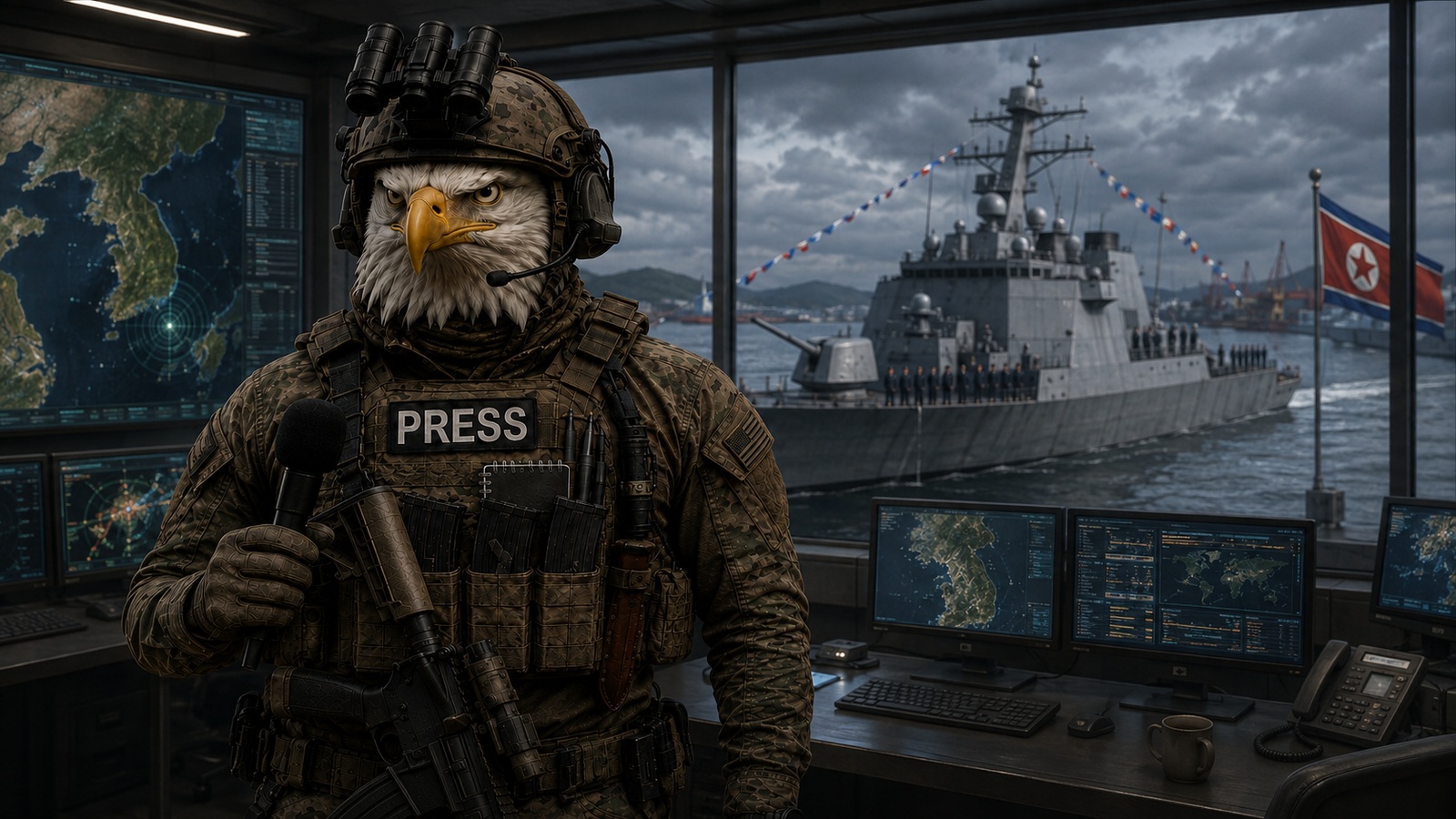
Victor's field map separates hardware from capability. A commissioned destroyer is a visible addition to North Korea's fleet, but photographs and official speeches do not establish its sensors, weapons reliability, crew proficiency or readiness for sustained operations. Those judgments require observed deployments, exercises and technical intelligence.
The new ship nevertheless matters because North Korea has historically invested more heavily in ballistic missiles than in large surface combatants. A larger, better-equipped navy could widen the platforms available for surveillance, missile launch or escort missions and complicate allied planning around the Korean Peninsula.
No public evidence cited Monday shows that the commissioning changes the immediate nuclear balance or signals an imminent attack. It does demonstrate that maritime modernization is now part of Kim's deterrence message. The allied exercise, meanwhile, is scheduled activity, not proof that Washington, Seoul or Tokyo intends offensive action.
The next indicators are sea trials, port movements, weapons tests and the scale and duration of Freedom Edge. Allied after-action statements and satellite observation can reveal whether the ship becomes an operational asset or remains primarily a political showcase.
Evidence ledger — confirmed: North Korea commissioned a second destroyer as the United States, South Korea and Japan began Freedom Edge exercises. Characterized or alleged: Pyongyang says the ship strengthens nuclear and maritime deterrence. Disputed: The ship's operational capability and readiness are not independently established. Still unknown: Its full weapons fit, crew proficiency and deployment schedule. The next verifiable development is sea trials and allied exercise reporting will clarify operational significance. Those distinctions matter because they keep this report tied to the dated record instead of turning an opening action, preliminary filing, or early result into a conclusion the evidence does not yet support.
The publication checkpoint remains narrow and specific: North Korea commissioned a second destroyer as the United States, South Korea and Japan began Freedom Edge exercises. The report does not treat its full weapons fit, crew proficiency and deployment schedule. as settled. Readers should measure the next update against the promised record—sea trials and allied exercise reporting will clarify operational significance.—and reject claims that skip that evidentiary step.